Description
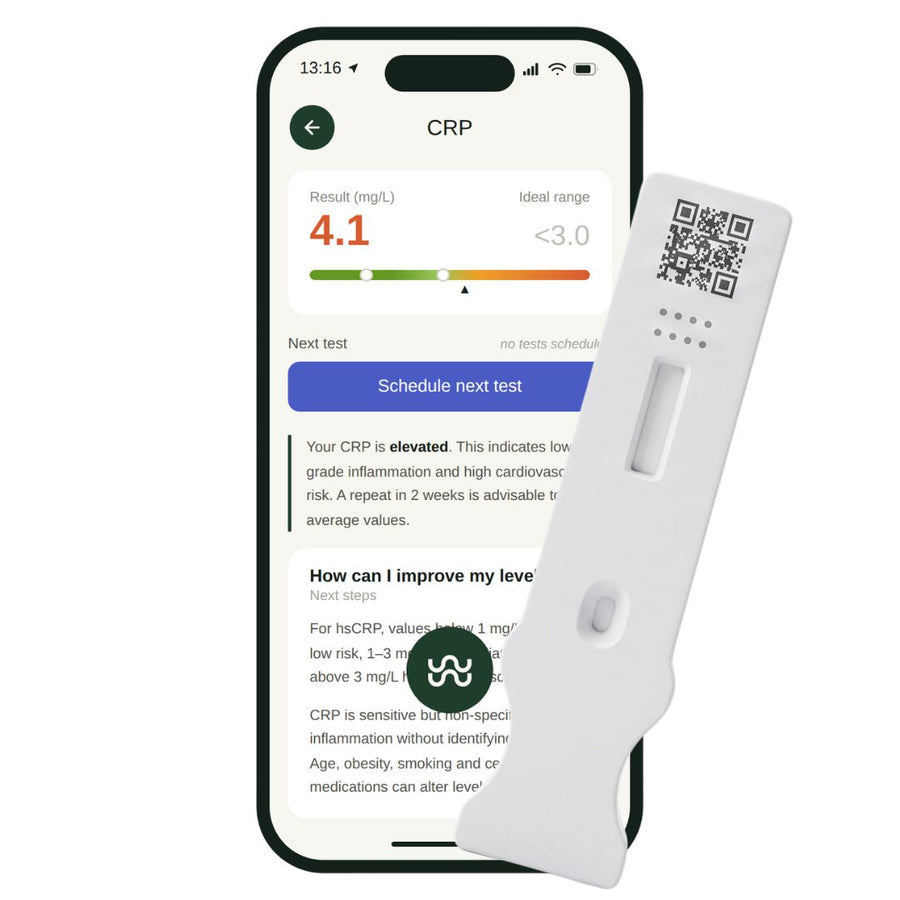
C-reactive protein (CRP) is synthesized by the liver in response to interleukin-6 and well known as one of the classical acute-phase reactants and as a marker of inflammation. The serum CRP level may rise from a normal level of <5 mg/L to 500 mg/L during the body’s general, non-specific response to infectious and other acute inflammatory events. high-sensitivity CRP (hs-CRP) is also emerging as the strongest and most independent predictive risk factor for atherosclerosis and cardiovascular diseases(CVD).
For people the diagnosis of inflammatory disease and CVD assessment cutoffs have been recommended as follows:
Concentrations | Clinical reference | < 1.00 mg/L | Low CVD risk (No Inflammation Situation) | 1.00~3.00 mg/L | Moderate CVD risk (No Inflammation Situation) | > 3.00 mg/ | High CVD risk (No Inflammation Situation) | > 10.00 mg/L | There may be other infections (bacterial infections or viral infections) | 10.00~20.00 mg/L | Generally indicates viral infections or mild bacterial infection | 20.00~50.00 mg/L | Generally indicates moderate bacterial infection | > 50 mg/L | Generally indicates serious bacterial infection
For people the diagnosis of inflammatory disease and CVD assessment cutoffs have been recommended as follows:
Concentrations | Clinical reference | < 1.00 mg/L | Low CVD risk (No Inflammation Situation) | 1.00~3.00 mg/L | Moderate CVD risk (No Inflammation Situation) | > 3.00 mg/ | High CVD risk (No Inflammation Situation) | > 10.00 mg/L | There may be other infections (bacterial infections or viral infections) | 10.00~20.00 mg/L | Generally indicates viral infections or mild bacterial infection | 20.00~50.00 mg/L | Generally indicates moderate bacterial infection | > 50 mg/L | Generally indicates serious bacterial infection