


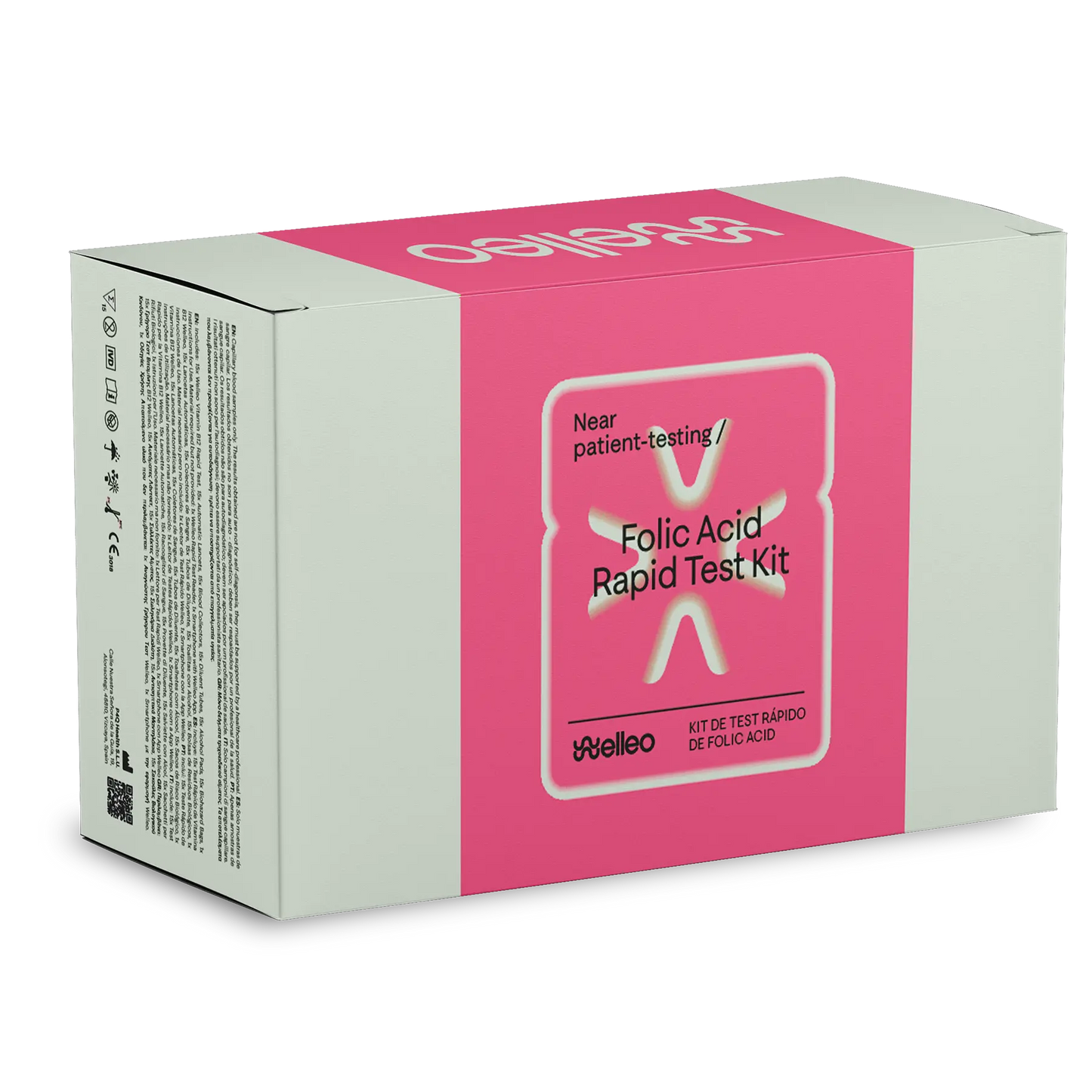
Description
Folic acid belongs to the class of phosphatidylglutamic acid (PGA) compounds and functions as a coenzyme in metabolic reactions involving the transfer of single carbon units from a donor to an acceptor molecule.
Both folic acid and vitamin B12 are essential for the synthesis of deoxyribonucleic acid (DNA) and are critical for the normal development and maturation of red blood cells. Folic acid is obtained through the daily diet, including foods such as fruits, green leafy vegetables, yeast, and organ meats. It is absorbed in the small intestine and stored in the liver.
Gastrointestinal disorders, pregnancy, and the use of certain medications—such as phenytoin—can lead to reduced folate intake or impaired absorption, resulting in folate deficiency. Chronic alcohol consumption is also associated with folic acid deficiency. Deficiencies in folic acid and vitamin B12 impair DNA synthesis and may lead to megaloblastic anemia.
Reference Interval
To determine the reference interval for this kit, serum or plasma samples were collected from 160 healthy women at hospitals and health examination centers. Based on the measurements, the reference interval established for this kit is: 5.2 – 20.0 ng/mL.
Both folic acid and vitamin B12 are essential for the synthesis of deoxyribonucleic acid (DNA) and are critical for the normal development and maturation of red blood cells. Folic acid is obtained through the daily diet, including foods such as fruits, green leafy vegetables, yeast, and organ meats. It is absorbed in the small intestine and stored in the liver.
Gastrointestinal disorders, pregnancy, and the use of certain medications—such as phenytoin—can lead to reduced folate intake or impaired absorption, resulting in folate deficiency. Chronic alcohol consumption is also associated with folic acid deficiency. Deficiencies in folic acid and vitamin B12 impair DNA synthesis and may lead to megaloblastic anemia.
Reference Interval
To determine the reference interval for this kit, serum or plasma samples were collected from 160 healthy women at hospitals and health examination centers. Based on the measurements, the reference interval established for this kit is: 5.2 – 20.0 ng/mL.