


Description
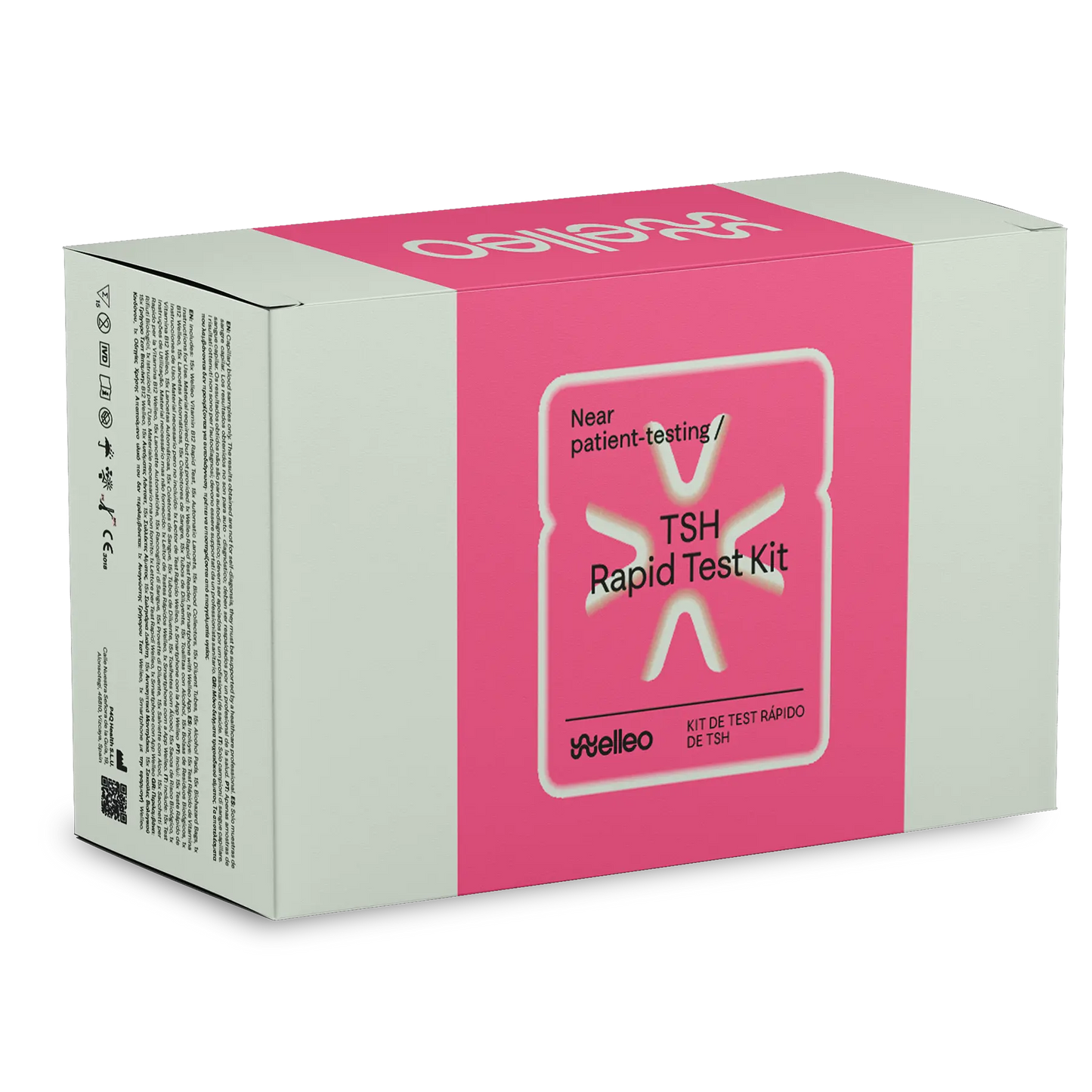
Thyroid-stimulating hormone (TSH), also called thyrotropin, is a glycoprotein hormone secreted by the anterior pituitary gland. TSH regulates thyroid gland activity by binding to receptors on thyroid follicular cells and stimulating the synthesis and release of thyroxine (T4) and triiodothyronine (T3). Its secretion is controlled by hypothalamic thyrotropin-releasing hormone (TRH) and by negative feedback from circulating thyroid hormones.
Because circulating TSH responds sensitively to changes in thyroid hormone availability, quantitative TSH measurement is widely used as an aid in the functional assessment of the thyroid axis. Increased TSH concentrations are commonly associated with reduced thyroid hormone production, while decreased TSH concentrations may be seen with increased thyroid hormone activity or altered pituitary/hypothalamic regulation. TSH results should be interpreted together with clinical findings and, when appropriate, companion thyroid tests such as free T4 and free T3.
Normal reference values: 0.30-4.20 ?IU/mL
Notice: Individual reference range is suggested to be established for each laboratory.
Because circulating TSH responds sensitively to changes in thyroid hormone availability, quantitative TSH measurement is widely used as an aid in the functional assessment of the thyroid axis. Increased TSH concentrations are commonly associated with reduced thyroid hormone production, while decreased TSH concentrations may be seen with increased thyroid hormone activity or altered pituitary/hypothalamic regulation. TSH results should be interpreted together with clinical findings and, when appropriate, companion thyroid tests such as free T4 and free T3.
Normal reference values: 0.30-4.20 ?IU/mL
Notice: Individual reference range is suggested to be established for each laboratory.